


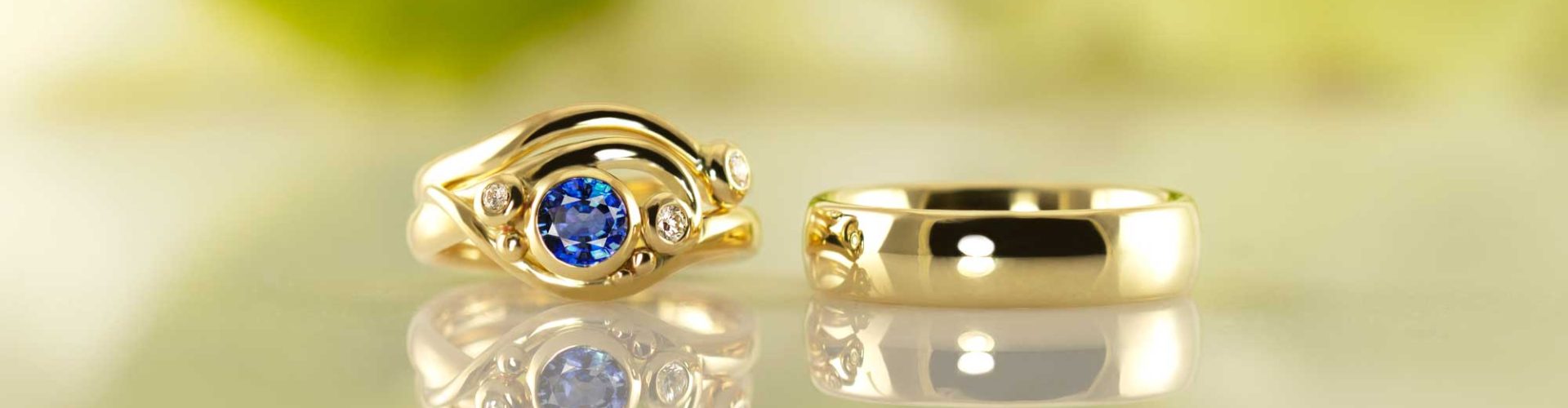
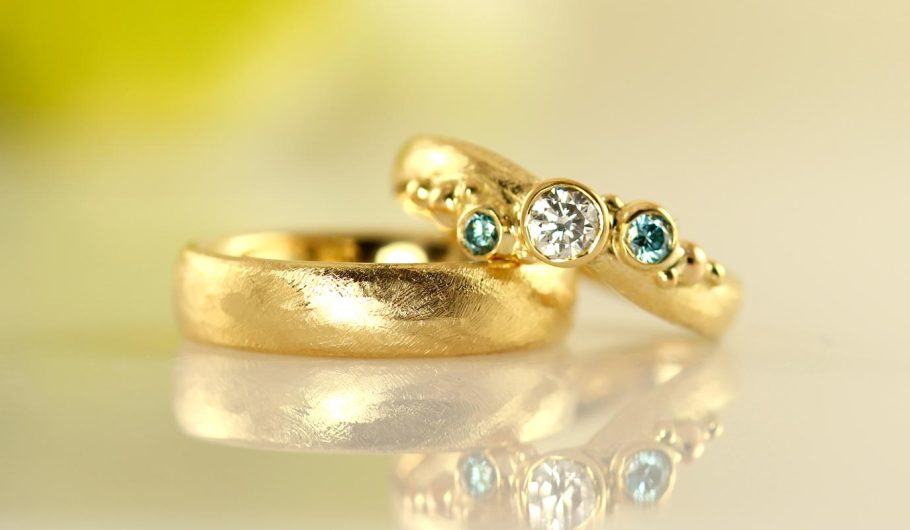
Do you know how old gold is turned into new jewellery? This article will explain the two basic ways you can recycle old gold into new jewellery and save money AND the environment. You will then be able to make an informed choice: Is the lowest possible price most important? Or the fact that your new piece of jewellery is made from (only) your own sentimental gold? I'm using wedding rings as an example, but of course these processes apply to all kinds of jewellery.
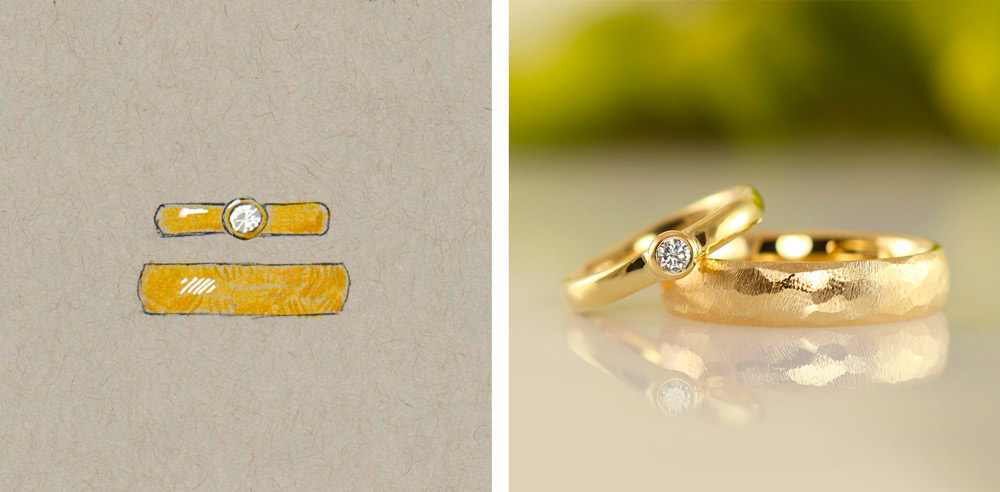
You've found the love of your life, you want to get married and you need to find a set of wedding rings. You're thinking about using some old gold to save money. Jewellery that you no longer wear or, even better, gold jewellery inherited from loved ones and perhaps deceased family members, which increases the sentimental value. If this gold comes from both families, there is an added bonus because these two families will then literally be fused together. After collecting the gold you're willing to spend, you start searching for a jeweller to create your dream rings and this is where it starts to get confusing:
Some jewellers only charge for hours used - in some cases a very low fee. Some even let you pay for these hours with the value of the gold (if there is enough). Others (including yours truly) calculate differently: the value of the gold is deducted from the final price of the ring, but you still have to pay part of the price with real money. Many choose the cheapest possible option - because being frugal is never a bad thing, right?

But have you ever wondered how your “customised” rings made from your own gold can be so much cheaper? You know there's no such thing as a free lunch, so what happens?
To answer that, I'd like to introduce you to the two basic ways of creating jewellery: HANDMADE, where you work with the actual metal, and WROUGHT. The latter can be a much cheaper option, but has its drawbacks when it comes to recycling your old gold. More on that later.
Handmade Jewellery
When using old gold to create, for example, wedding rings, the first task is to prepare the old jewellery for melting down.
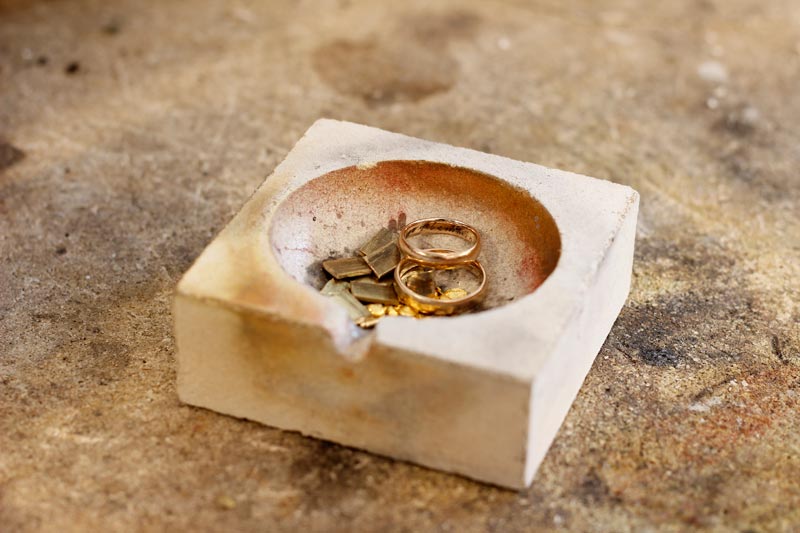
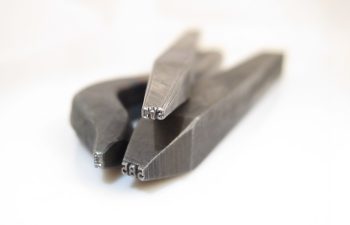
Stones need to be taken out (it takes a long time if there are many small ones) and more gold may need to be added if there is not quite enough. For example, if you bring 14k gold but want the warmer and more yellow 18k colour, we raise the alloy by adding 24 karat fine gold to the mix. We always add a very small amount of fine gold so that we can vouch for the stamping of the carat we provide the ring with at the end. The gold is then melted and moulded into a bar - a so-called ten.

The pewter is rolled to the right dimensions and cut to the right length before the gold is formed into a ring and soldered together.


Then the rings are filed into shape and given their finish - perhaps a special surface treatment and a polish on the inside.
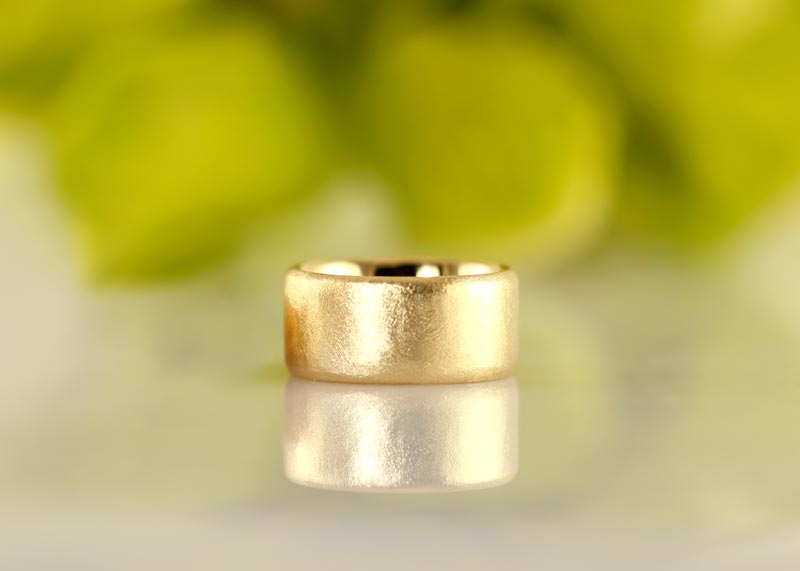
This applies to the simplest rings. You can create many, many other variations with settings, gemstones and details. OR the rings can be shaped completely differently by rolling, filing, shaping and soldering - all within the expertise of a skilled goldsmith. Finally, possible gemstones are set - perhaps from the old jewellery to carry on the sentimental value or from trusted suppliers. The result is a set of 100% unique wedding rings created from YOUR old gold.
Cire Perdue - also called Wax Casting
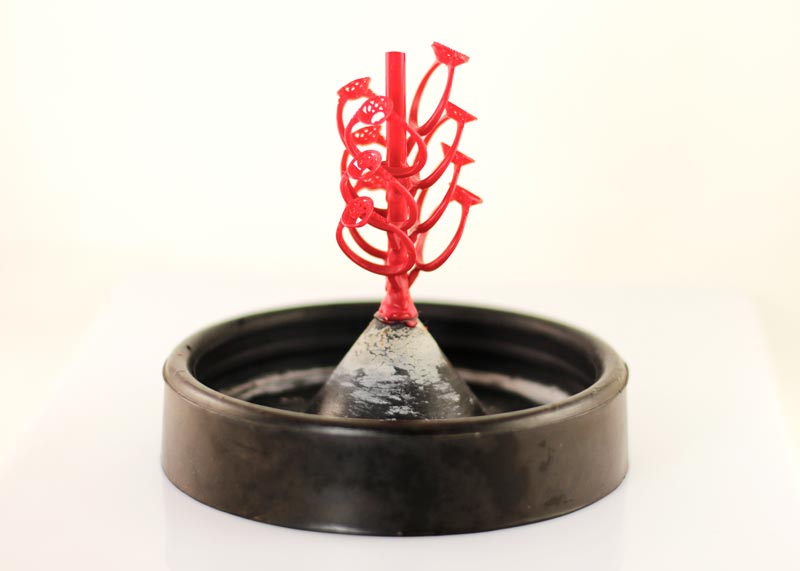
Casting has many advantages, not least the possibility of mass production and the ability to create certain 3-dimensional shapes that are almost impossible to build by machining the metal directly. Here is the basic process:
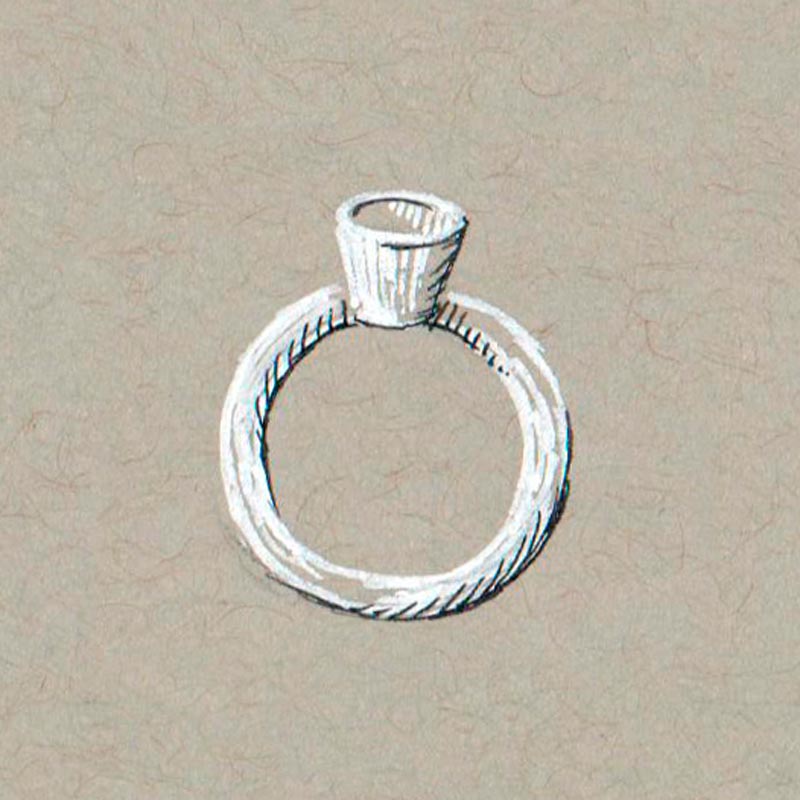
A ring is created from wax. Either by cutting it by hand (which easily takes many hours) or designed on the computer. If it's a basic shape that the jeweller already has at hand because he has created the same design for many others in the past, it only takes a few minutes to 3D print it. This requires software, IT knowledge and hardware. Many jewellers outsource this, while a few have invested in having these capabilities in-house.
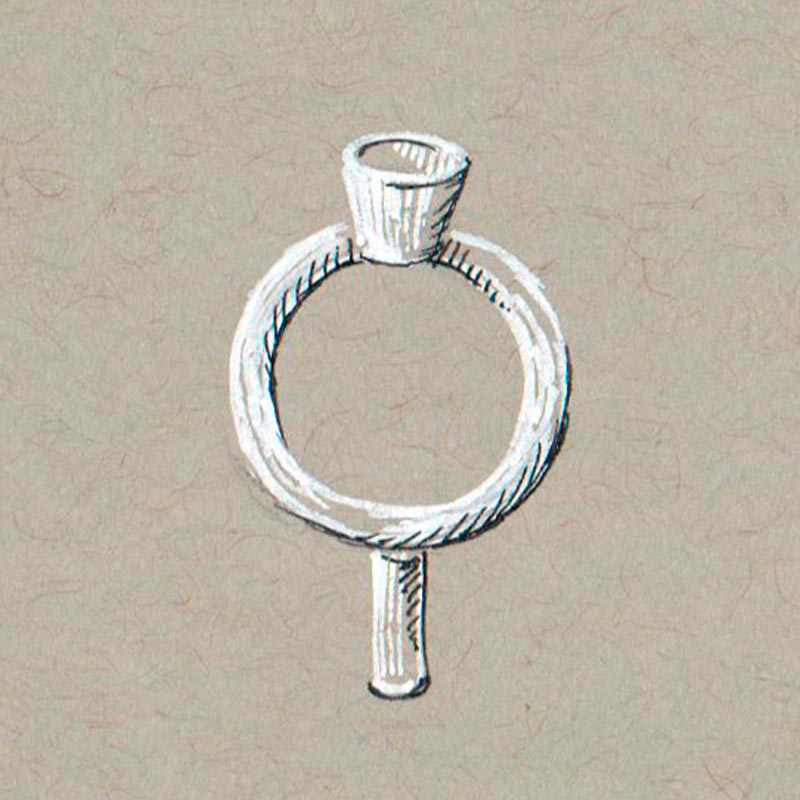
The ring is mounted on a wax stick and placed inside an iron pipe - a “cuvette”

Filling the cuvette with plaster

After curing, place the cuvette in an oven overnight to melt the wax and leave a cavity in the plaster

The extremely hot cuvette is then placed in a centrifuge or vacuum casting machine where liquid gold is pressed into the cavity
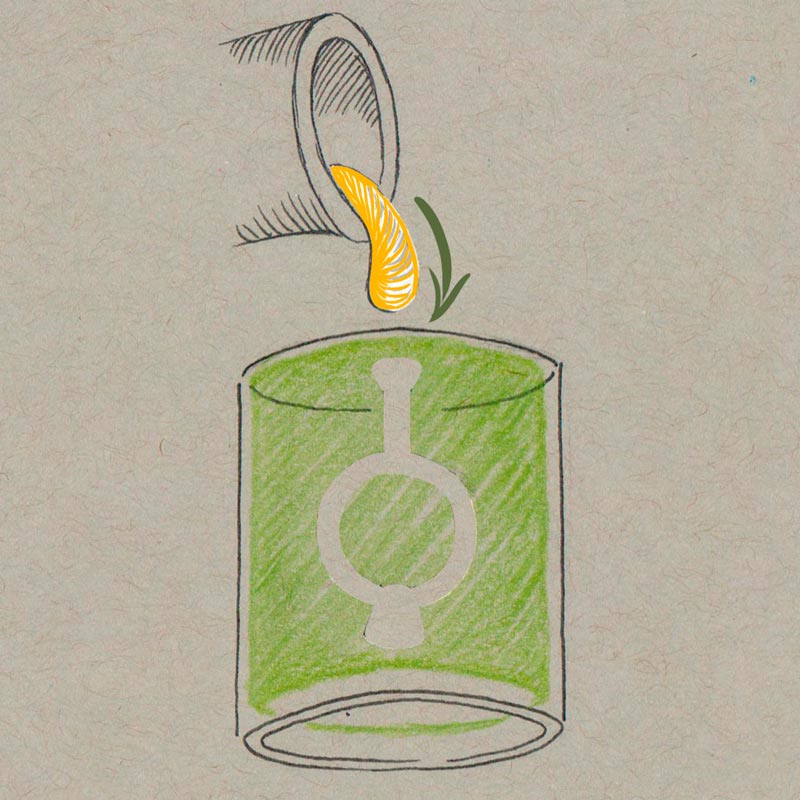
The cuvette is thrown into water, which dissolves the plaster and leaves the ring - now made of gold.
After renovation, stone setting and finishing, the ring is complete
This process takes a while and uses a lot of energy, wax and plaster for just ONE piece of jewellery, but if you cast many at a time, the price per ring is MUCH lower. And this is where the secret to the much cheaper price of old gold wedding rings can be found: when you cast 10 or 20 sets of wedding rings at a time and mix ALL the old gold from each pair together, it can be done at a much lower price. BUT... only a fraction of your rings will come from your own old gold. You could say you become one big happy family with all the other couples who have also had their rings moulded in the same batch.
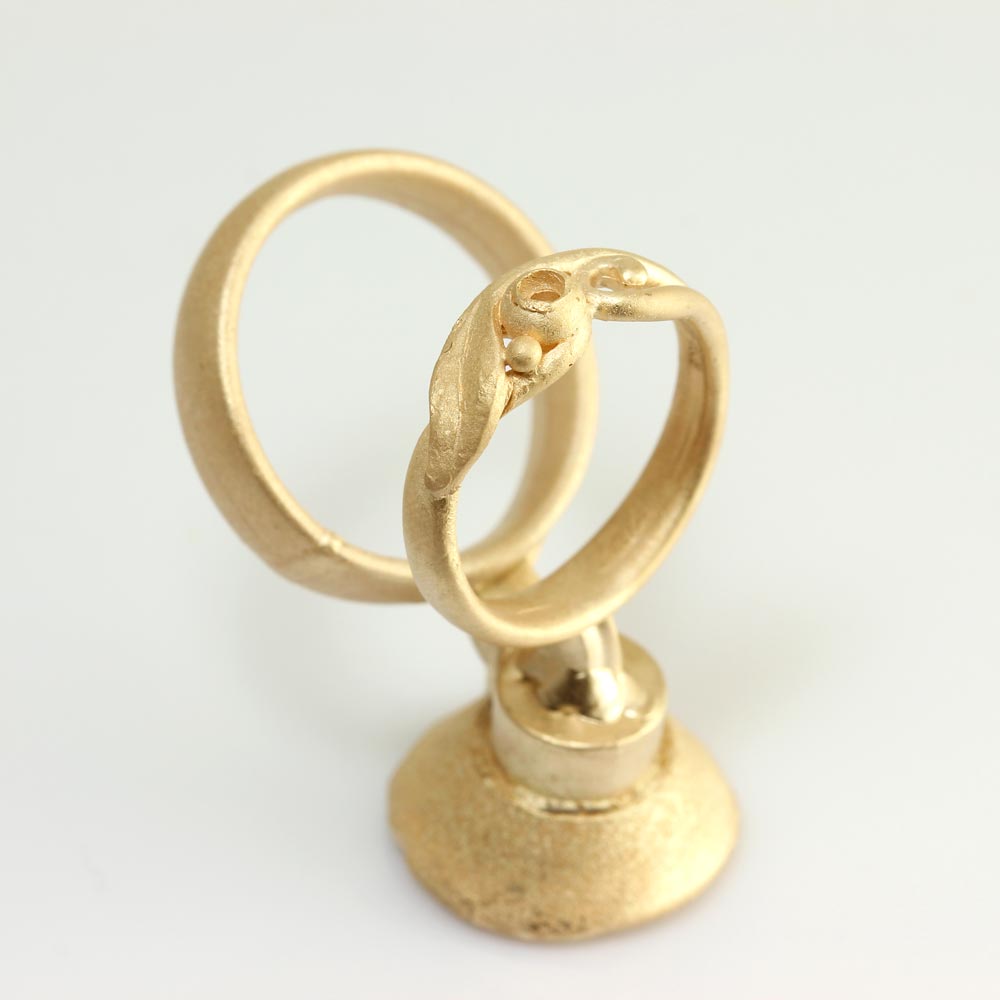
But what if you moulded the rings alone? In a single cuvette? Firstly, they would cost more because the mass production advantage is gone, and secondly, it would still be necessary to “dilute” with other gold. The reason is gravity: When making a wax cast, an additional 20 grams is always needed to have enough weight to push the liquid gold into the cavity of the plaster. Therefore, unless you have at least a surplus of 20 grams, your new rings will still only be partially made of your own old gold.

Gold recycling at Castens
In my small workshop, I work very closely with my customers to create their customised rings. After the design meeting, I outsource the 3D design, printing and casting, while the handmade jewellery is created in my own workshop. This way I can work with all techniques. If the design you want can only be created by casting, there are two different ways to do this:
-
We cast the basic design from my own gold, and then in the workshop I add details such as sockets and bubbles created from your own gold. That way you can pinpoint exactly what's what
-
We mould the rings completely out of your own gold and if there is not enough, we add my gold. So the rings will be slightly “diluted”. On the other hand, we ONLY mould your set in its very own cuvette (which has a certain additional cost)
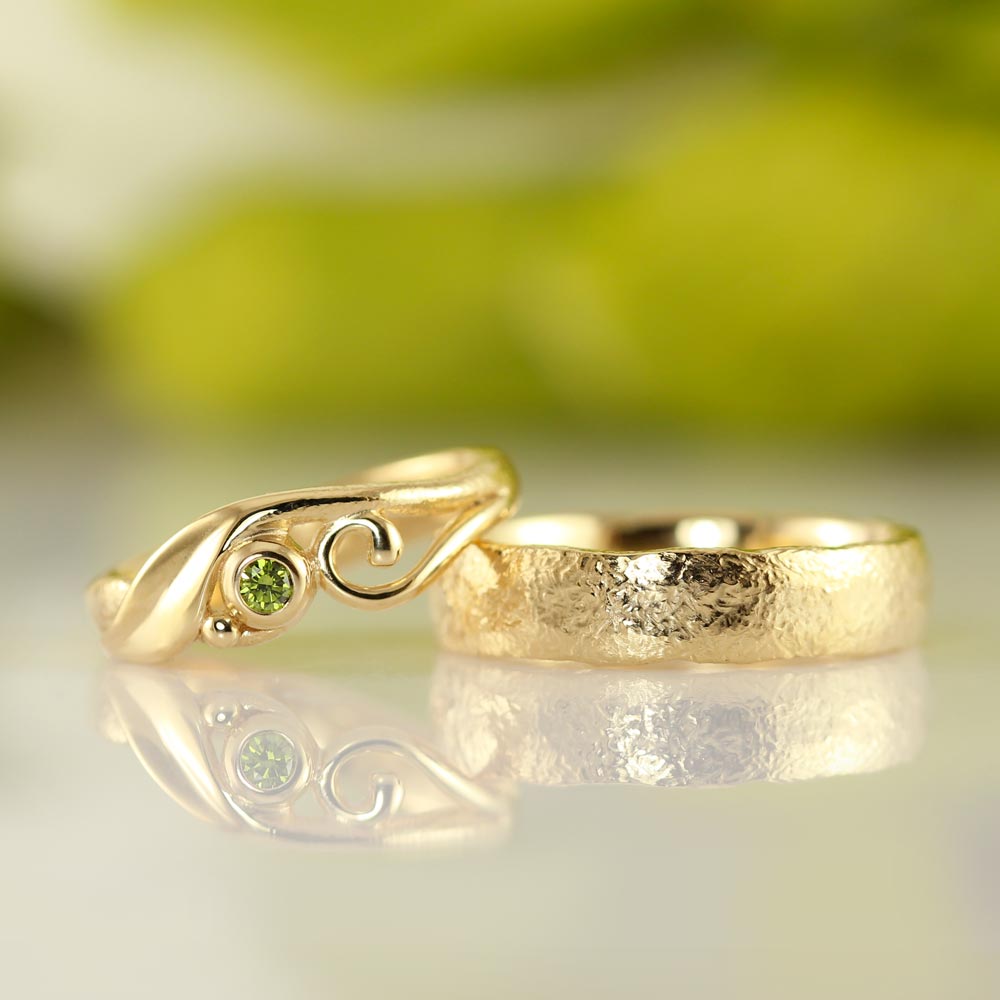
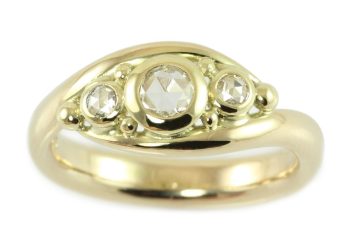
A final option to reuse your own old gold is to have it remodelled into something new, as you can see here:

You are always welcome to pay up to 50% of what your rings cost with the value of your gold, whether I reuse this for your personalised rings or the gold is just a financial help to create your dream rings (based on the current price on nyfortuna.dk). Why not 100% you ask? Because the leftover gold, which may have been part of the transaction, is delivered for refining (cleaning the fine gold for recycling) once a year. However, as my company is just a small one-man operation, I need cash to pay for things like rent between the two refining runs. My landlord is so annoying: they don't take gold 😉
Over the years, I have created many bespoke pieces of jewellery from my customers' own gold and gemstones, and it is always an honour to be asked to take on such a task - especially considering the immense sentimental value that old gold can hold. Thank you for the trust!
Blog categories